
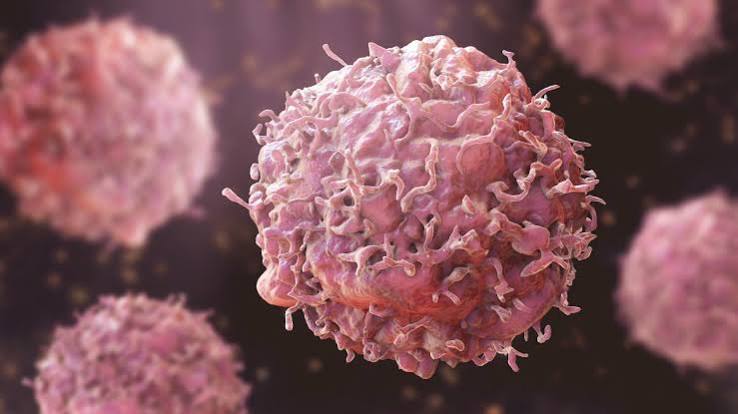
Cancer is one of the most stubborn diseases humans have ever faced. But nature may have been hiding two surprising allies all along. Scientists are now studying common dandelions and bacteria from frog guts as potential cancer fighters. Yes, you read that right.
Cancer Research Is Getting Wild (In the Best Way)
For years, cancer treatment has mostly meant surgery, chemotherapy, or radiation. These treatments work. However, they also come with heavy side effects. So researchers are always looking for better options.
Recently, two unexpected leads have shown up in labs around the world. One comes from a weed you probably pull out of your lawn. The other comes from the belly of a frog. Both of these natural sources are turning heads in the cancer research world.
Let us dig in.
The Humble Dandelion and Its Cancer-Fighting Power
Dandelions are everywhere. Most people treat them like garden nuisances. But scientists have been paying close attention to what is inside them.
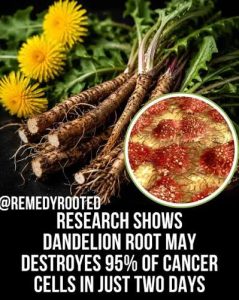
The dandelion plant, known scientifically as Taraxacum officinale or Taraxacum mongolicum, has been used in traditional Chinese medicine for centuries. It has long been used to treat breast conditions like mastitis and abscesses. Now, modern labs are putting it through serious testing against cancer cells.
Cancer Cells Do Not Like Dandelion Extract
Research published in January 2025 in ScienceDirect showed that dandelion extract can suppress the growth of triple-negative breast cancer (TNBC) cells. TNBC is one of the most aggressive forms of breast cancer. Furthermore, it is also one of the hardest to treat with standard therapies.
The study found that dandelion extract works by interfering with a signaling pathway in cancer cells. Specifically, it targets the CUEDC2/beta-catenin/OCT4 axis. This pathway helps cancer stem cells survive and spread. By blocking it, dandelion extract essentially cuts off one of the tumor’s lifelines.
Read the study: Dandelion extract suppresses TNBC stem-like properties (ScienceDirect, 2025)
Dandelion Root Targets Colorectal Cancer Too
Cancer in the colon is the fourth leading cause of cancer-related death worldwide. A 2024 study in Experimental and Therapeutic Medicine found that dandelion root extracts can slow down colorectal cancer cell growth. The study focused on a compound called taraxasterol, which is one of the key active ingredients in dandelion root.
Taraxasterol works by blocking specific pathways that help colorectal cancer cells survive. These pathways involve TLR4 and NF-kB signaling. When these are blocked, cancer cells lose an important survival tool. Therefore, their growth slows significantly.
Brain Cancer Gets Hit Too
Glioblastoma is one of the most deadly forms of brain cancer. Standard radiation therapy often does not work well on it. A study in the World Cancer Research Journal tested dandelion extract alongside radiation therapy on glioblastoma cells.
The results were encouraging. Dandelion extract made cancer cells more sensitive to radiation. In addition, the combination caused more cancer cell death than radiation alone. The genes involved in triggering cell death, Bax and p53, increased after treatment. Meanwhile, the survival gene Bcl-2 decreased. This means dandelion actively helped push cancer cells toward self-destruction.
Leukemia Cells Feel the Pressure
A 2025 study published in Immunopathol Persa tested dandelion leaf extract on leukemia cell lines called Jurkat and K562. The results showed that dandelion extract had clear toxic effects on these cancer cells. Importantly, it also affected gene expression linked to cancer cell signaling.
The researchers noted that dandelion, more than quince extract, showed the strongest cytotoxicity against leukemia cells. This is a big deal because leukemia cancer treatments often carry heavy side effects.
What Is Inside Dandelion That Fights Cancer?
So, what exactly makes dandelion so powerful? Scientists have found many active compounds inside the plant. These include:
- Chlorogenic acid
- Caffeic acid
- Lupeol
- Apigenin
- Luteolin
- Taraxasterol
- P-hydroxybenzoic acid
Each of these compounds has antioxidant properties. Together, they help reduce inflammation, block cancer cell growth signals, and push cells toward programmed death (called apoptosis). A 2025 study in Discover Applied Sciences confirmed that dandelion root extract has strong antioxidant and cytotoxic effects on breast cancer cells.
The Frog That Might Change Cancer Treatment Forever
Now, let us hop over to the second part of this story. Because frogs may have just leapfrogged everyone in the cancer research race.
Scientists Found Cancer-Killing Bacteria Inside Frog Guts
A team of researchers from the Japan Advanced Institute of Science and Technology (JAIST) decided to do something most people would never think of. They went looking for cancer-fighting bacteria inside the guts of amphibians and reptiles.
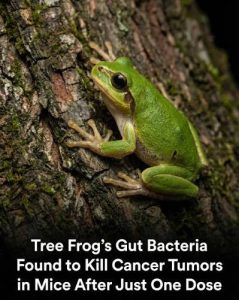
The team collected bacteria from three species: Japanese tree frogs (Dryophytes japonicus), Japanese fire belly newts (Cynops pyrrhogaster), and Japanese grass lizards (Takydromus tachydromoides). They isolated a total of 45 bacterial strains. Then, they screened each one for cancer-fighting abilities.
Out of all the strains they tested, one stood out above all the others. It is called Ewingella americana.
One Dose. Tumor Gone.
Here is where the story gets really exciting. Scientists injected Ewingella americana into mice with colon cancer tumors. The tumors had already grown to 200 cubic millimeters before treatment began.
After just a single intravenous dose, something remarkable happened. The tumors completely disappeared in treated mice. Not just shrank. They disappeared entirely. Furthermore, when cancer cells were reintroduced to these same mice 30 days later, the tumors did not grow back.
This suggests that the bacteria may have created a kind of immune memory in the mice. The body learned to fight the cancer and stayed ready to do it again. That is a level of immune protection that cancer researchers have been chasing for decades.
How Does Ewingella americana Actually Work?
This bacterium does not work in just one way. Scientists found it uses a two-pronged attack against cancer.
First, it directly kills tumor cells. Ewingella americana selectively targets cancer cells and destroys them. It does this without causing severe harm to healthy cells nearby.
Second, it wakes up the immune system. The bacterium triggers a strong immune response inside the body. Specifically, it activates T cells, B cells, and neutrophils. These are all key fighters in the body’s immune defense system. By calling them into action, the bacteria creates a combined attack on the tumor from both outside and inside the immune system.
This dual-action approach is what makes Ewingella americana so special. Most cancer treatments attack tumors using only one method. But this bacterium uses two.
Read more: Frog-derived bacteria offer dual-action anticancer effects (News Medical, 2025)
Why Frog Gut Bacteria? That Seems Random.
Actually, it is not as random as it sounds. The researchers behind this study had a clever theory. They believed that animals with unusual immune systems, especially those living in bacteria-rich environments like ponds and streams, might carry microbes with unique cancer-fighting abilities.
Frogs spend time in water, soil, and on plants. Their guts are exposed to all kinds of microorganisms. Over time, the bacteria that survive and thrive in frog intestines must be remarkably resilient and biologically active.
Because of this, they could potentially carry properties that are useful in medicine. And in the case of Ewingella americana, that bet paid off in a big way.
The findings were published in the journal Gut Microbes in December 2025. The study noted that gut microbiomes of lower vertebrates may contain many unidentified bacterial species with exceptional therapeutic potential.
Dandelions and Frogs: Two Paths to Fighting Cancer
It is fascinating that two such different sources, a common weed and a small amphibian, are both yielding promising cancer research at the same time. One comes from the plant kingdom. The other comes from the animal kingdom. Yet both are pointing scientists toward natural, targeted ways to fight cancer.
Traditional cancer treatments like chemotherapy work by killing fast-growing cells. The problem is that healthy cells also grow fast. So chemotherapy ends up hurting both cancer cells and healthy ones. That is why hair loss, fatigue, and nausea are common side effects.
In contrast, dandelion extract and frog bacteria both show a preference for targeting cancer cells specifically. Dandelion compounds trigger cell death in cancer cells while leaving healthy cells mostly unharmed. Similarly, Ewingella americana focuses its toxic activity on tumor tissue while sparing normal cells. This kind of selective action is the holy grail of cancer research.
Are These Cures Yet? Let Us Be Honest
Here is an important thing to remember. Most of the research on dandelion extract and frog bacteria has been done in labs. Scientists have tested these treatments on cancer cells in petri dishes or in mice.
Human bodies are far more complex. A treatment that works perfectly in a mouse does not always translate to humans. That gap is the biggest challenge in cancer research, and it is real.
That said, the early results are genuinely exciting. They give scientists good reason to move toward clinical trials, which test treatments on humans. As of now, dandelion extract and Ewingella americana are both being studied further to understand their safety, dosage, and effectiveness in more complex biological environments.
No one should replace their current cancer treatment with dandelion tea or frog bacteria supplements. But the science behind these discoveries is solid and growing.
The Bigger Picture: Nature as a Pharmacy
These two stories are part of a much bigger trend in medicine. Scientists are increasingly looking to nature for cancer treatment ideas. From tree bark (Taxol comes from Pacific yew trees) to marine sponges, natural sources have already given us some of our most powerful medicines.
Traditional Chinese medicine has used dandelions for breast conditions for hundreds of years. Now, modern science is confirming and expanding on what healers already suspected. Meanwhile, researchers are exploring the gutmicrobiomes of animals to uncover bacteria that have evolved with powerful biological properties.
This approach is sometimes called bioprospecting. It involves searching through nature’s library of organisms to find compounds or microbes that can help treat human disease. And right now, frogs and dandelions are two of the most interesting chapters in that library.
Ongoing and Future Research
Research on dandelion extract continues to grow fast. A 2025 study in Biology explored how dandelion extract affects cancer cell proliferation and triggers apoptosis in breast cancer cells. Scientists mapped the precise molecular mechanisms involved, bringing the research one step closer to clinical use.
For Ewingella americana, researchers plan to test it in more diverse cancer models. They also want to understand its full safety profile before moving toward human trials. The research team at JAIST is optimistic. Their work suggests that animal gut microbiomes are a largely unexplored treasure chest for medicine.
Read further: Bacterium from frogs completely destroys colon cancer (Lifespan.io)
A Note for Patients and Families
Living with cancer or watching a loved one go through treatment is incredibly hard. Stories like these can bring real hope. At the same time, it is important to approach new research with balanced expectations.
Exciting lab results take years to become approved treatments. Clinical trials are rigorous and carefully monitored for good reasons. Always talk to a qualified doctor before changing or supplementing any cancer treatment. The science is moving fast, and that is genuinely good news. But patience is part of the process.
If you are interested in integrative oncology or natural supplements alongside standard care, ask your oncologist about current clinical trials or research programs near you. Cancer treatment is evolving in remarkable ways.
Final Thoughts
Cancer has met some unexpected challengers lately. A roadside weed and a small frog are giving scientists fresh ideas about how to fight one of humanity’s oldest enemies.
Dandelion extract has shown real cancer-fighting effects across multiple cancer types, including breast, colon, brain, and blood cancers. Frog gut bacteria, particularly Ewingella americana, completely wiped out colon cancer tumors in mice with a single dose. That is not a small finding.
These discoveries remind us that nature still has secrets we have not fully explored. The next great cancer breakthrough might not come from a high-tech lab synthesis. It might come from the garden. Or from a frog in a Japanese pond.
So maybe stop pulling those dandelions out of your lawn. You never know. They might just be part of the team that helps beat cancer.
Sources and External Links
-
- Dandelion extract suppresses triple-negative breast cancer stem cells (ScienceDirect, 2025)
- Dandelion root extracts inhibit colorectal cancer cell viability (Experimental and Therapeutic Medicine, 2024)
- Dandelion extract and radiosensitivity in glioblastoma (World Cancer Research Journal, 2023)
- Discovery and characterization of antitumor gut microbiota from amphibians (Gut Microbes, 2025)
- Frog bacterium wipes out cancer tumors in mice with a single dose (ScienceDaily, 2026)